

One thoughtfully customized and traded ten days residential HRD training programme for the mountainous NEH region was organised on the topic of “Strategizing Climate-Resilient Agriculture through Innovative and Technological Interventions for Improved Livelihood Security of Tribal Farmers” at ICAR NEH, Umiam in joint
collaboration with ICAR-ATARI, Zone VII, Umiam from 03rd – 13thMarch 2025 under NICRA project with the objective to sensitize and create awareness about climate vulnerability and multiple climatic stress challenges, their impacts and management in hill region through capacity building and acquainting skills of the participants with emerging, innovative and frontier
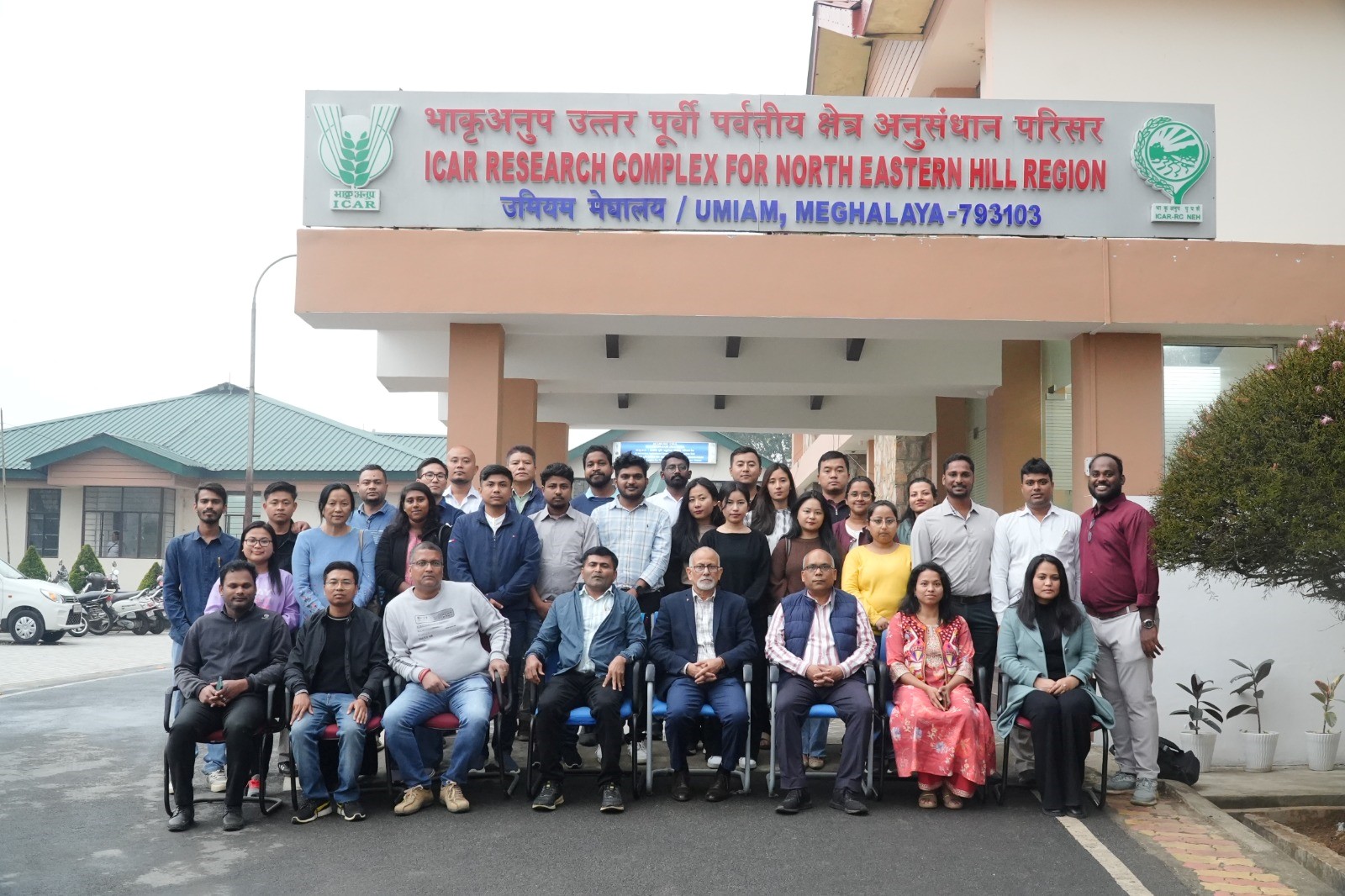
technological solutions for enhanced nutritional and livelihood security. Total 39 trainees from 9 states were participated in training consisting of 5no.Asst professors/Scientists, 15 SMS from different KVKs coming under ICAR-ATARI, Umiam, 12 PhD scholars and 8 research fellows representing 9 states including states of North east. The inaugural event was graced by
chief guest Shri B.K.Sohliya, I/c Chaiman & Executive adviser of Farmers (Empowerment) Commission, Government of Meghalaya, Shillong and other dignitaries including Hon’ble incharge director of host institute Dr Sandeep Ghatak and Dr A.K.Mohanty, Hon’ble Director of ICAR-ATARI, Zone VII, Umiam. The chief guest Shri B.K.Sohliya talked about synchronization of various
stakeholders for the development of tribal livelihoods in the region. He specifically mentioned separate policies for hill agriculture and stressed upon the importance of agricultural mechanization where the hill ecosystem friendly implements need to be developed to avoid extra back pain and drudgery to the tribal farmers.
Total 14 eminent resource persons were invited for training like Dr. James Jacob, Former Director, Rubber Research institute of India, Prof. R Uma Shaanker, Former head and Dr Nataraja Karaba, Current Head, Department of Crop Physiology, UAS, Bengaluru, Dr. M Srinivasa Rao, PS and Head(DCS), from ICAR-CRIDA, Hyderbad,
Dr Madanpal Singh IARI, Newdelhi, Dr Sunita chaudhary, Scientist, ICRISAT, Hyderbad, Dr Sudip Mitra, Head School of Agro and Rural technology and Dr Pranab K Mondal, Associate professor, Dept of Mechanical Engg, IIT, Guwahati, Dr Jonali Gowsami, Scientist F, NESAC, Umiam, 2 private organizations (Dr Smitha Kurup, Group Leader, Phenomics, Mahyco, Jalna & Dr Mona Joshi,
UPL Ltd, Gurugram), 2 state government representatives viz., Shri Gunanka, Joint Secretary(Agri) and Shri. B. K Sohliya, Incharge Chairman and Executive Adviser, Farmers (Empowerment) Commission, Government of Meghalaya, Shillong to deliver the guest lectures on various aspects on climate resilient technologies. Three resource persons were invited from outside the country
like Dr Raju Soolanayaknahally from Sasketchan Research centre, Agri-food systems, Canada, Prof. Raja Reddy from Mississippi State University, USA and Dr Praveen Rahi, Institute of Pasteur, Paris to deliver guest lectures virtually on relevance of developed innovative climate resilient technologies suiting to north eastern hill region to address changing climate challenges.
Dr Prabhakar M, National PI (NICRA) and Dr Pratibha G, PI(NICRA TDC) from sponsoring institute (ICAR-CRIDA, Hyderbad) were also presented about the available climate resilient technologies under NICRA and other ongoing research activities under strategic research as well as application research (TDC) respectively.
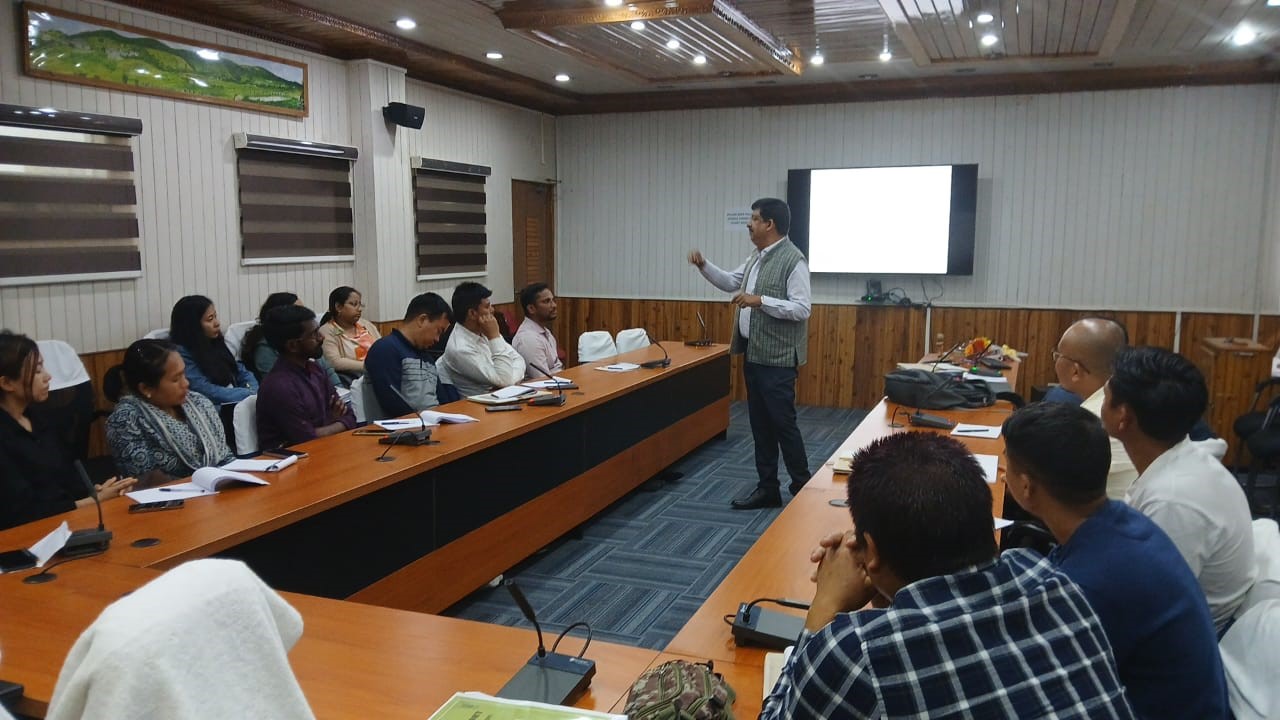
The training comprised of classroom lectures, laboratory practical’s, hands on experiences, exposure field visits, NICRA model village visits and other institute visits viz., NBPGR regional station, Shillong and NESAC (North eastern Space Application centre), Umiam. The major aspects covered were innovative water and soil conservation practices,
biochar technologies, improvised organic and natural farming practices, climate smart crops, applications of space technologies, artificial intelligence, advanced digital technologies, climate smart 5G farming in hill agriculture, and modern genomic tools and entreneurship development
The training was concluded on 13th March 2025, with gracing of Dr. S.P. Agarwal, Director, NESAC as chief guest and hon’ble directors Dr. S. Hazarika and Dr. A.K. Mohanty from both Institute, other dignitaries from collaborating institute were graced the occasion. Participants of Training were in commonly expressed appreciation and grateful thanks
to the organizing institutes and organizers and also suggested to organize such training programmes with more of hands-on sessions, allowing participants to apply the concepts directly in real-world settings. They also recommended a greater focus on the application of Information Technology (IT) in agriculture and livelihood improvement, noting its potential to revolutionize farming practices
and improve crop yields and income. Dr. A.K. Mohanty, Hon’ble Director, ICAR-ATARI, Zone VII, Umiam and Guest of Honour, expressed his appreciation for the overall structure and content and remarkable synchrony of the collaborating institutes for organizing important training programme under NICRA. Dr. S. Hazarika also commended the organization of the training and specifically highlighted the
quality of the guest lectures during the training. In his speech, he stressed the need for more research on biochar production, and discussed the issue of water scarcity. Dr. S.P. Agarwal, the chief guest, highlighted the societal impact of space technology, significant role in combating climate change by providing accurate, real-time data that can assist farmers in making informed decisions.
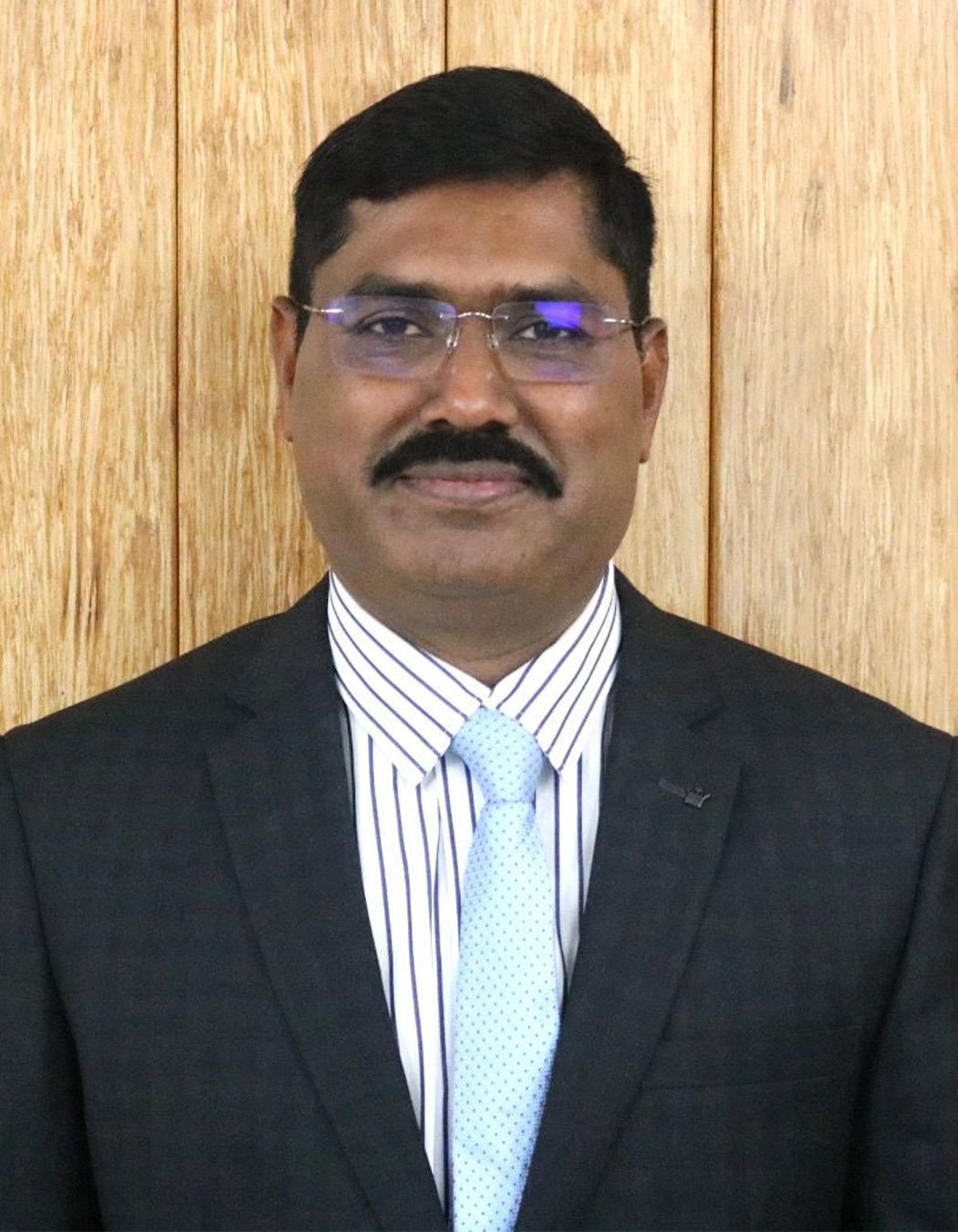
This data could be particularly valuable in Northeast India, where the agricultural landscape is highly sensitive to climatic shifts. Training organised, excuted and coordinated by Course directors Dr Krishnappa R. PI(NICRA), ICAR RC NEH, Umiam and Dr Amrutha T, Scientist and PI(NICRA TDC) from ICAR-ATARI, Zone VII, Umiam. The other coordinators of organizing committee were Dr. Ramesh T, PS (Soil Science),
Dr. Amit Kumar, Senior Scientist (Plant breeding), Dr N. Uttam Singh, Sr Scientist (DTAC), Dr N. Raju singh, Scientist (Agro-forestry), Dr. Prabha M, Scientist (Env. Science) from ICAR RC NEH, Umiam, Dr. Simardeep Kaur, Scientist (Plant Biochemistry), and Dr. A.K Singha, PS (Agri Extension) and Mrs. Divya Parisa, Scientist from ICAR-ATARI, Zone VII, Umiam
Conclusion and Future Recommendations: The training session was widely appreciated by all attendees for its structured content, with more interactive, hands-on components with focus climate resilient technologies, IT applications in agriculture and agri-entrepreneurship. Training provided participants with valuable insights into the intersection of climate
change, technology, and agriculture, with a focus on improving the livelihoods of tribal farmers. Several key recommendations emerged from the training, including the need for stronger collaboration with institutions like NESAC to ensure the success of climate-resilient agricultural strategies. Additionally, participants suggested conducting similar training programs at least twice a year to ensure ongoing capacity building and knowledge sharing.
 |
 |
 |
 |
 |
 |
 |
 |
 |
 |
 |
 |
 |
 |